Peer Review Status: Expert-reviewed | Last Updated: April 2026
Target Audience: Cardiologists, Obstetricians, Internal Medicine Physicians, Primary Care
🔑 Key Takeaways
- Preeclampsia confers a 4.2-fold increased risk of heart failure, 2.5-fold risk of coronary heart disease, and 1.8-fold risk of stroke later in life (meta-analysis of >6.4 million women).
- Gestational diabetes confers up to a 10-fold increased risk of developing type 2 diabetes, with subsequent cardiometabolic disease amplification.
- The 2025 AHA Hypertension Guideline emphasizes blood pressure monitoring after adverse pregnancy events as a key preventive strategy.
- A 2026 AHA study showed that pregnancy complications combined with high stress levels synergistically increase postpartum blood pressure, even in women as young as 25.
- Pregnancy is a natural “cardiovascular stress test” — adverse outcomes unmask pre-existing vascular susceptibility, creating a window for early risk-factor intervention decades before clinical CVD manifests.
Background
Cardiovascular disease (CVD) is the leading cause of death in women worldwide, responsible for approximately one-third of all female deaths — yet it remains underrecognized, underdiagnosed, and undertreated compared with men [1]. A critical reason for this disparity is that traditional cardiovascular risk assessment tools (Framingham, SCORE, ASCVD Pooled Cohort Equations) were developed primarily from male-dominated cohorts and fail to capture sex-specific risk factors that are unique to women’s lived experience [2].
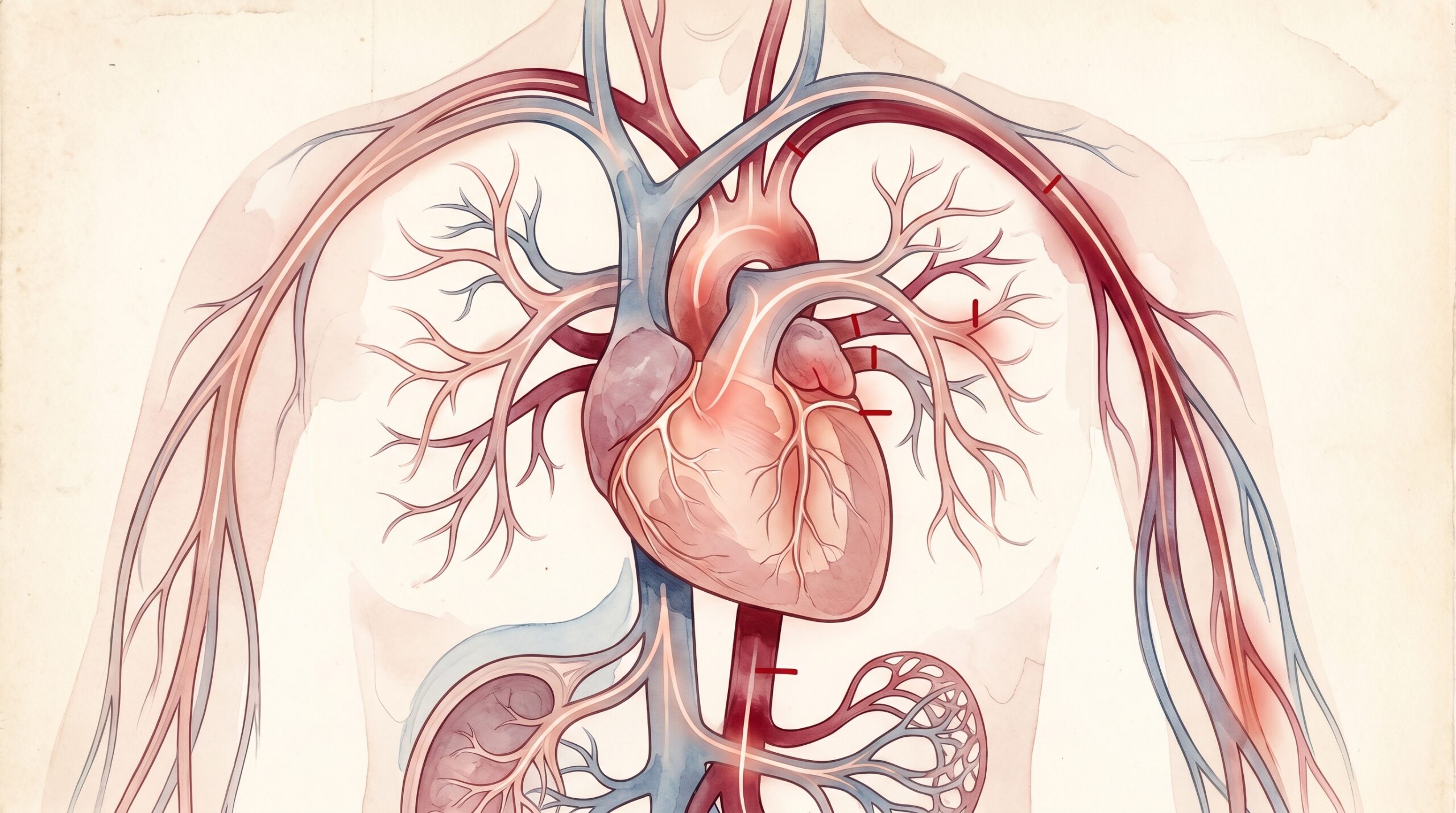
Among these female-specific risk enhancers, pregnancy complications have emerged as among the most powerful predictors of future cardiovascular disease. Preeclampsia, gestational diabetes mellitus (GDM), preterm delivery, gestational hypertension, and placental abruption are now recognized by the American Heart Association, the American College of Obstetricians and Gynecologists (ACOG), and the European Society of Cardiology as major risk factors for lifelong cardiovascular morbidity [3, 4]. This review examines the current evidence linking pregnancy complications to CVD risk, the pathophysiological mechanisms, and practical strategies for leveraging obstetric history to improve cardiovascular prevention in women.
Pregnancy as a Cardiovascular Stress Test
Normal pregnancy induces dramatic cardiovascular adaptations: cardiac output increases by 30–50%, blood volume expands by 40–50%, systemic vascular resistance decreases, and heart rate increases by 15–20 bpm. These physiological demands test the functional reserve of the maternal cardiovascular system in a way that no other life event replicates [5]. Women with underlying endothelial dysfunction, metabolic susceptibility, or subclinical vascular disease may develop complications when this “stress test” overwhelms their adaptive capacity — unmasking vulnerabilities that would otherwise remain silent for decades.
This framework — pregnancy as a window into future cardiovascular health — has transformed how clinicians think about obstetric history. Rather than viewing preeclampsia or GDM as isolated pregnancy events that resolve after delivery, current evidence positions them as early manifestations of chronic disease pathways that progress over the lifespan [6].
Key Pregnancy Complications and CVD Risk
Table 1. Pregnancy Complications and Associated Long-Term Cardiovascular Risk
| Pregnancy Complication | Prevalence | Future CVD Risk (RR/HR) | Mechanism |
|---|---|---|---|
| Preeclampsia | 5–8% | HF: RR 4.19 CHD: RR 2.50 Stroke: RR 1.81 CV death: RR 2.21 |
Endothelial dysfunction, chronic inflammation, accelerated vascular aging |
| Gestational diabetes | ~14% | T2DM: up to 10-fold CVD: RR 1.5–2.0 |
Insulin resistance, beta-cell dysfunction, metabolic syndrome progression |
| Preterm delivery (<37 wk) | ~10% | CVD: RR 1.4–2.0 HTN: RR 1.6 |
Shared inflammatory/vascular pathways; placental insufficiency |
| Gestational hypertension | 6–8% | Chronic HTN: RR 2.0–5.0 CVD: RR 1.7 |
Persistent vascular remodeling, salt sensitivity, autonomic dysregulation |
| SGA / growth restriction | ~8% | CVD: RR 1.3–1.9 | Uteroplacental insufficiency reflecting maternal vascular disease |
CHD = coronary heart disease; CV = cardiovascular; HF = heart failure; HTN = hypertension; RR = risk ratio; SGA = small for gestational age; T2DM = type 2 diabetes mellitus. Sources: [3, 6, 7, 8].
Preeclampsia: The Strongest Signal
Preeclampsia — a hypertensive disorder of pregnancy affecting 5–8% of pregnancies globally — is the pregnancy complication with the strongest and most consistent association with future CVD. A comprehensive meta-analysis of 22 studies encompassing over 6.4 million women (including >258,000 with preeclampsia) demonstrated independently increased risks of heart failure (RR 4.19), coronary heart disease (RR 2.50), cerebrovascular disease (RR 1.81), and cardiovascular death (RR 2.21), after adjusting for potential confounders [3].
The risk is amplified by severity markers: women with early-onset preeclampsia (<34 weeks), preeclampsia requiring preterm delivery, or recurrent preeclampsia face the highest long-term CVD risk. A 2025 Finnish study using nationwide health registry data found that each additional day between preeclampsia diagnosis and delivery was associated with a 1–2% increase in composite CVD risk before age 55 — though this association may partly reflect underlying chronic vascular susceptibility rather than a direct causal effect of prolonged preeclampsia exposure [9].
Importantly, signs of cardiovascular aging appear remarkably early after preeclampsia. A multicenter cohort study (P4 Study) found that at just 6 months postpartum, women with prior preeclampsia exhibited increased left atrial stiffness and reduced left atrial reservoir strain — resembling patterns typically seen in women 20–30 years older. These abnormalities persisted at 2-year follow-up [10].
The Stress Multiplier Effect
A 2026 study published in Hypertension (AHA) demonstrated that pregnancy complications combined with high perceived stress levels synergistically increase postpartum blood pressure — even in women as young as 25 years old. Although the blood pressure differences were modest (~2 mmHg), the authors emphasized that even small BP elevations at a young age can substantially increase cumulative cardiovascular risk over decades [11].
Guideline Recommendations
Major cardiovascular and obstetric societies now explicitly incorporate adverse pregnancy outcomes (APOs) into CVD risk assessment:
- AHA/ACC (2019 Primary Prevention Guideline): History of preeclampsia is a “risk-enhancing factor” that can reclassify borderline-risk women into higher-risk categories warranting statin therapy [4].
- AHA 2025 Hypertension Guideline: Emphasizes blood pressure monitoring after adverse pregnancy events as a key element of lifelong cardiovascular prevention in women [11].
- ACOG: Recommends that all women with history of preeclampsia, GDM, or preterm delivery receive counseling about their elevated CVD risk and referral for cardiovascular risk assessment within one year of delivery [12].
- ESC 2024: Pregnancy complications are classified as female-specific cardiovascular risk modifiers in the latest chronic coronary syndromes and prevention guidelines [13].
Figure 1. Post-Pregnancy Cardiovascular Surveillance Pathway
Identify at delivery or postpartum
Flag all women with APOs (preeclampsia, GDM, preterm delivery, SGA, gestational HTN, stillbirth) in the medical record. Provide written counseling about long-term CV risk before discharge.
6–12 month postpartum assessment
Blood pressure, fasting glucose/HbA1c, lipid panel, BMI. Refer to cardiology or internal medicine for comprehensive CVD risk assessment if abnormalities persist. Screen for metabolic syndrome.
Lifestyle intervention + ongoing monitoring
Mediterranean diet, regular exercise (150 min/week), weight management, smoking cessation, stress management. Annual BP checks. Repeat metabolic screening every 1–3 years depending on risk level.
Age 40+: Formal ASCVD risk calculation + imaging
Use APO history as a risk-enhancing factor in ASCVD risk calculation. Consider coronary artery calcium scoring or CCTA for borderline-risk women with APO history. Statin initiation per ACC/AHA guidelines when indicated.
Bridging the Care Gap
Despite strong guideline recommendations, the transition of care from obstetrics to cardiovascular medicine remains one of the weakest links in women’s health. Many women with pregnancy complications are discharged from obstetric care within 6 weeks and never receive structured cardiovascular follow-up. Key barriers include fragmented healthcare systems (obstetrics and cardiology operating in silos), lack of interoperable medical records that transmit obstetric history to primary care, low awareness of APO-CVD links among both patients and non-obstetric clinicians, and competing priorities during the demanding postpartum period (childcare, breastfeeding, return to work) [14].
Innovative solutions being piloted include electronic health record-based automatic alerts that flag APO history during primary care visits, dedicated post-pregnancy cardiovascular clinics (e.g., Mass General Brigham’s “Heart of a Mother” program), remote blood pressure monitoring programs for postpartum women, and referral pathways integrated into the 6-week postpartum visit [15].
Beyond Pregnancy: Other Female-Specific CV Risk Factors
Pregnancy complications represent only one dimension of sex-specific cardiovascular risk in women. Other emerging female-specific risk enhancers include early menopause (<40 years), polycystic ovary syndrome (PCOS), autoimmune inflammatory diseases (SLE, rheumatoid arthritis — which disproportionately affect women), breast cancer treatment (anthracyclines, radiation), and mental health factors (depression, chronic stress) [16]. The 2025 AHA Hypertension Guideline and the 2024 ESC Prevention Guidelines both call for systematic assessment of these sex-specific factors in all women presenting for cardiovascular risk evaluation [11, 13].
Clinical Implications
Pregnancy complications are among the most powerful, earliest, and most underutilized predictors of future cardiovascular disease in women. Clinicians across all specialties — obstetrics, primary care, cardiology, emergency medicine — should routinely ask about pregnancy history as part of cardiovascular risk assessment. Women with a history of preeclampsia, GDM, preterm delivery, or other APOs should receive structured postpartum cardiovascular surveillance, aggressive lifestyle modification counseling, and consideration for earlier initiation of preventive pharmacotherapy (statins, aspirin, antihypertensives) when guideline-defined risk thresholds are met.
The opportunity is substantial: nearly 50% of the world’s population can become pregnant, and 10–20% of pregnancies are complicated by conditions that signal elevated lifelong CVD risk. Engaging these women in prevention programs during their 30s and 40s — rather than waiting for symptomatic disease in their 60s — represents one of the most impactful, cost-effective strategies for reducing the global burden of cardiovascular disease in women [17, 18].
📚 Related Articles on MedTrainHub
References
- Vogel B, et al. The Lancet Women and cardiovascular disease commission. Lancet. 2021;397(10292):2385-2438. doi:10.1016/S0140-6736(21)00684-X
- Mehta LS, et al. Acute myocardial infarction in women: AHA scientific statement. Circulation. 2016;133(9):916-947. doi:10.1161/CIR.0000000000000351
- Wu P, et al. Preeclampsia and future cardiovascular health. Circ Cardiovasc Qual Outcomes. 2017;10(2):e003497. doi:10.1161/CIRCOUTCOMES.116.003497
- Arnett DK, et al. 2019 ACC/AHA Guideline on the primary prevention of cardiovascular disease. Circulation. 2019;140(11):e596-e646. doi:10.1161/CIR.0000000000000678
- Barrell AM, Sferruzzi-Perri AN. The impact of preeclampsia and gestational diabetes on future maternal cardiometabolic health. Acta Physiol. 2025;advance online. doi:10.1111/apha.14367
- Ray JG, et al. Preeclampsia and the risk of cardiovascular disease and cancer in later life: systematic review and meta-analysis. BMJ. 2007;335(7627):974. doi:10.1136/bmj.39335.385301.BE
- Long-term cardiovascular risk and maternal history of pre-eclampsia. J Clin Med. 2025;14(9):3121. doi:10.3390/jcm14093121
- Preeclampsia as a risk factor of postmenopausal cardiovascular disease: a cross-sectional study. J Clin Med. 2025;14(14):4992. doi:10.3390/jcm14144992
- Keitäänpää N, et al. Impact of preeclampsia duration on long-term cardiovascular disease risk. Hypertension. 2025;82(12):e145-e154. doi:10.1161/HYPERTENSIONAHA.125.25054
- Sherwood A, et al. Preeclampsia-associated cardiovascular risk factors 6 months and 2 years after pregnancy: the P4 study. Hypertension. 2024;81(3):567-578. doi:10.1161/HYPERTENSIONAHA.123.21890
- Nuckols V, et al. Pregnancy complications impact women’s stress levels and cardiovascular risk long after delivery. Hypertension. 2026;83(4):advance online. Published March 9, 2026.
- ACOG Committee Opinion No. 736. Optimizing postpartum care. Obstet Gynecol. 2018;131(5):e140-e150.
- Visseren FLJ, et al. 2021 ESC Guidelines on cardiovascular disease prevention. Eur Heart J. 2021;42(34):3227-3337. doi:10.1093/eurheartj/ehab484
- Bello NA. Advances in our understanding of cardiovascular diseases after preeclampsia. Circ Res. 2025;136(6):583-593. doi:10.1161/CIRCRESAHA.124.325581
- Shaw-Devine A, et al. True impact of sex differences in diagnosis and management of cardiovascular disease. Cureus. 2025;17(8):e99237. doi:10.7759/cureus.99237
- Cho L, et al. Summary of updated recommendations for primary prevention of cardiovascular disease in women. J Am Coll Cardiol. 2020;75(20):2602-2618. doi:10.1016/j.jacc.2020.03.060
- Giesen EM, et al. Multi-omic insights of preeclampsia and cardiovascular health outcomes. Commun Med. 2025;5(1):143. doi:10.1038/s43856-025-01165-2
- Lang S, et al. Designing a lifestyle intervention to optimise cardiometabolic health in high-risk prenatal and postnatal women. Patient Educ Couns. 2026;143:109422. doi:10.1016/j.pec.2025.109422
Disclaimer: This article is intended for healthcare professionals and is provided for educational purposes only. It does not constitute medical advice. Clinical decisions should be based on individual patient assessment and current clinical guidelines. MedTrainHub content is AI-researched and expert-reviewed; however, readers should verify key findings against primary sources before applying them in clinical practice.
Conflicts of Interest: None declared.
Funding: This article received no external funding.
Citation: MedTrainHub Editorial Team. Cardiovascular Risk in Women: Pregnancy Complications as Predictors. MedTrainHub.com. Published April 2026. Available at: https://medtrainhub.com/articles/cardiology/cardiovascular-risk-women-pregnancy