Articles & Research
Explore 20 evidence-based clinical reviews in cardiology and radiology. Each article aligns with the real article content, title, and destination link.


GLP-1 Receptor Agonists and Cardiovascular Outcomes in 2026
A comprehensive review of GLP-1 receptor agonists and their cardiovascular benefits beyond weight management, including MACE reduction, heart failure outcomes, and implications for clinical practice in 2026.
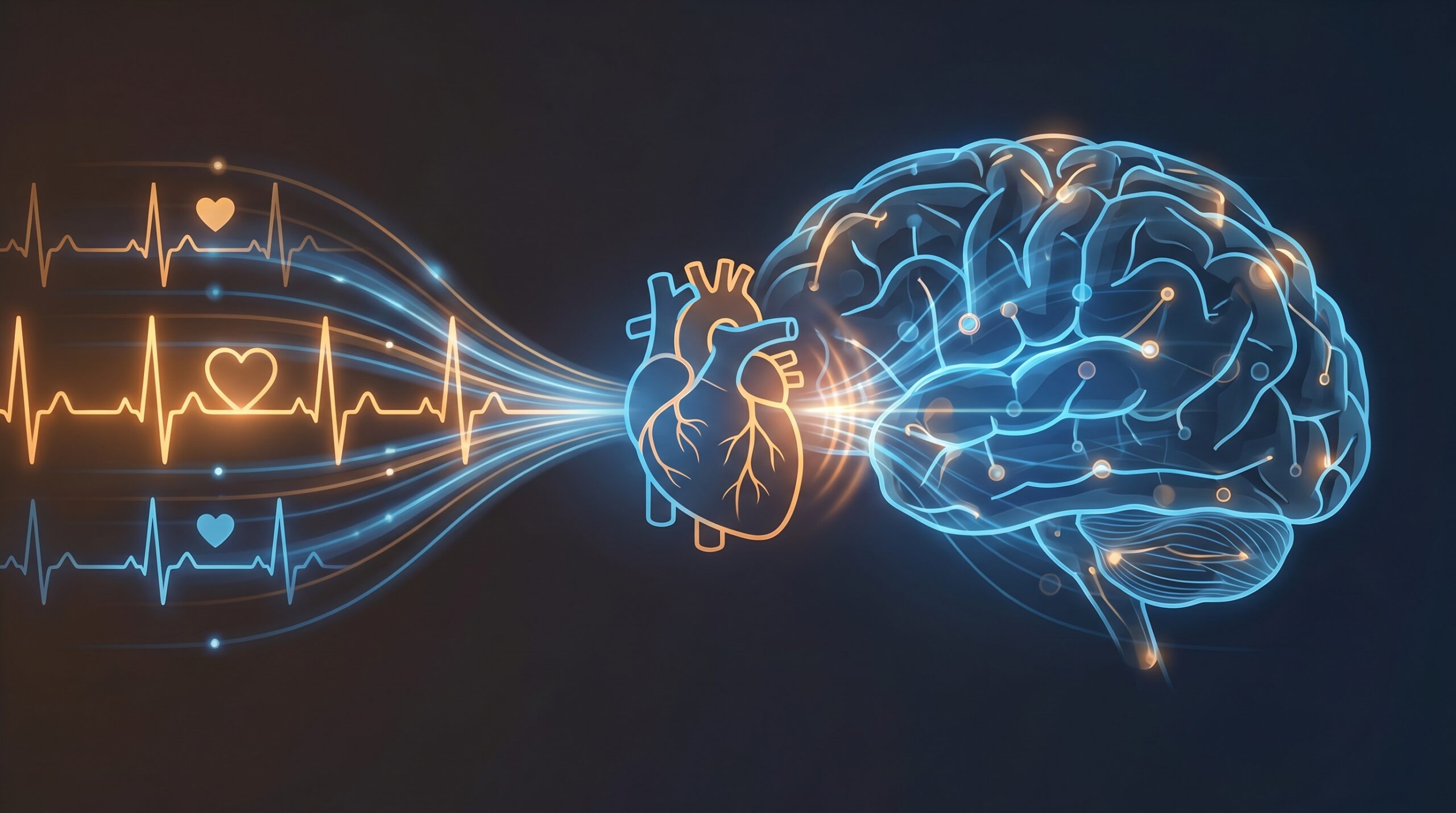
AI-ECG Diagnosis: Hidden Cardiac Disease Detection in 2026
How AI-powered electrocardiogram analysis is detecting hidden cardiac diseases — from asymptomatic LV dysfunction to concealed atrial fibrillation — and reshaping clinical practice in 2026.
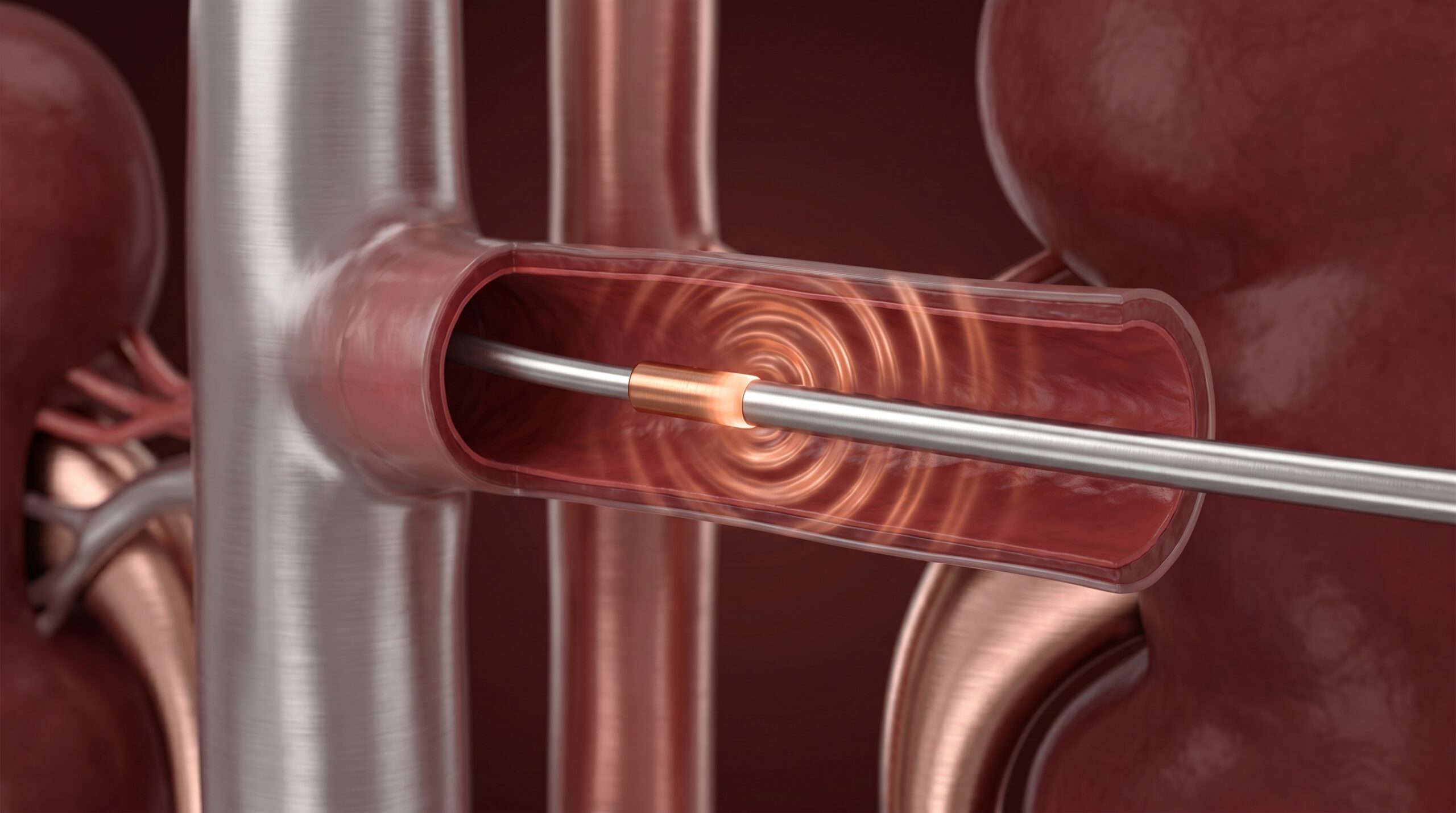
Renal Denervation for Resistant Hypertension in 2026
Renal denervation has re-emerged as a viable treatment for resistant hypertension after pivotal SPYRAL and RADIANCE trials. A 2026 clinical review of evidence, patient selection, and practical guidance.
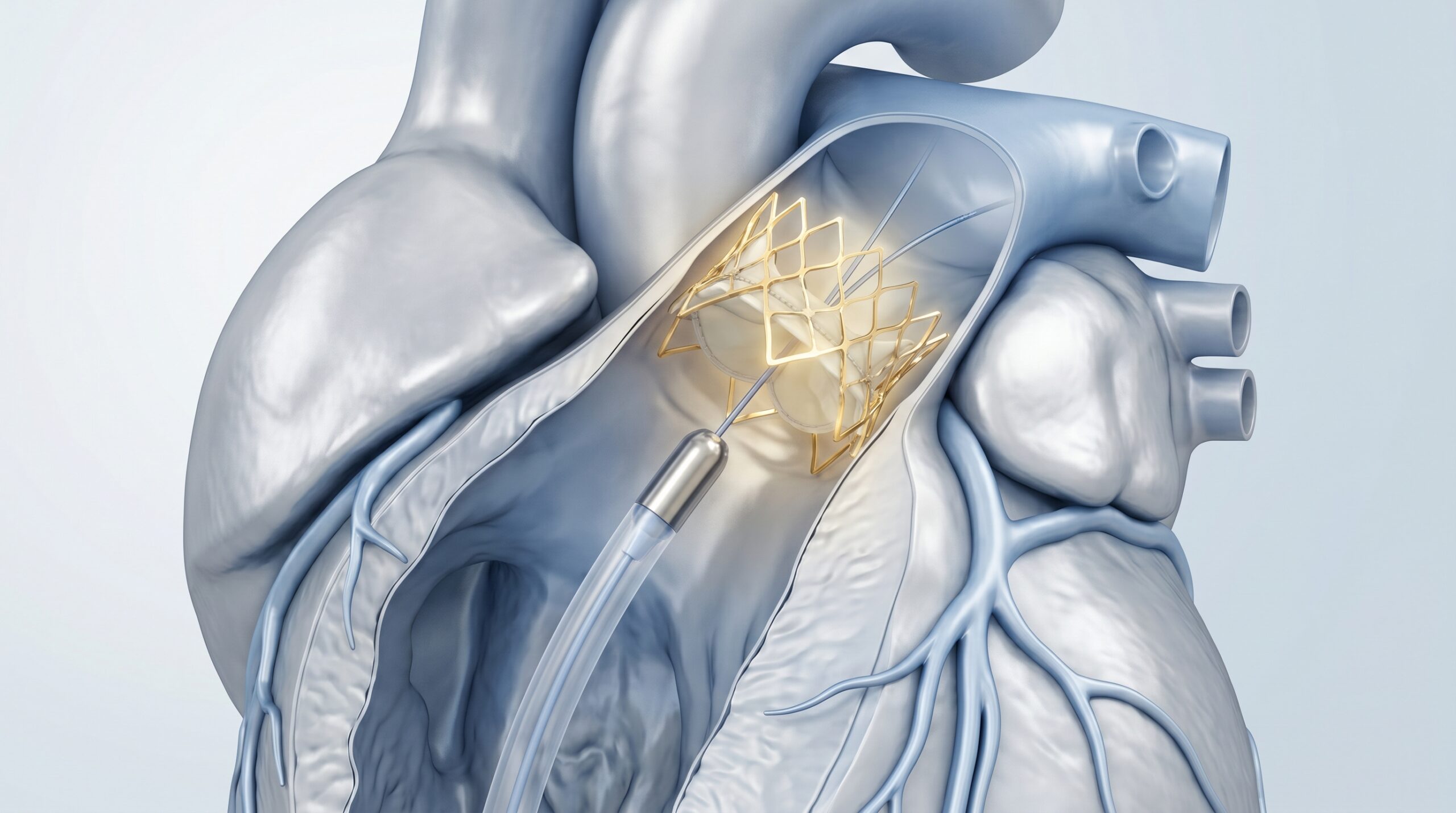
TAVR in Low-Risk Aortic Stenosis: 2026 Clinical Review
5-year data from Evolut Low Risk and PARTNER 3 confirm TAVR is noninferior to surgery in low-risk aortic stenosis patients. A 2026 review of outcomes, durability, real-world evidence, and lifetime management considerations.
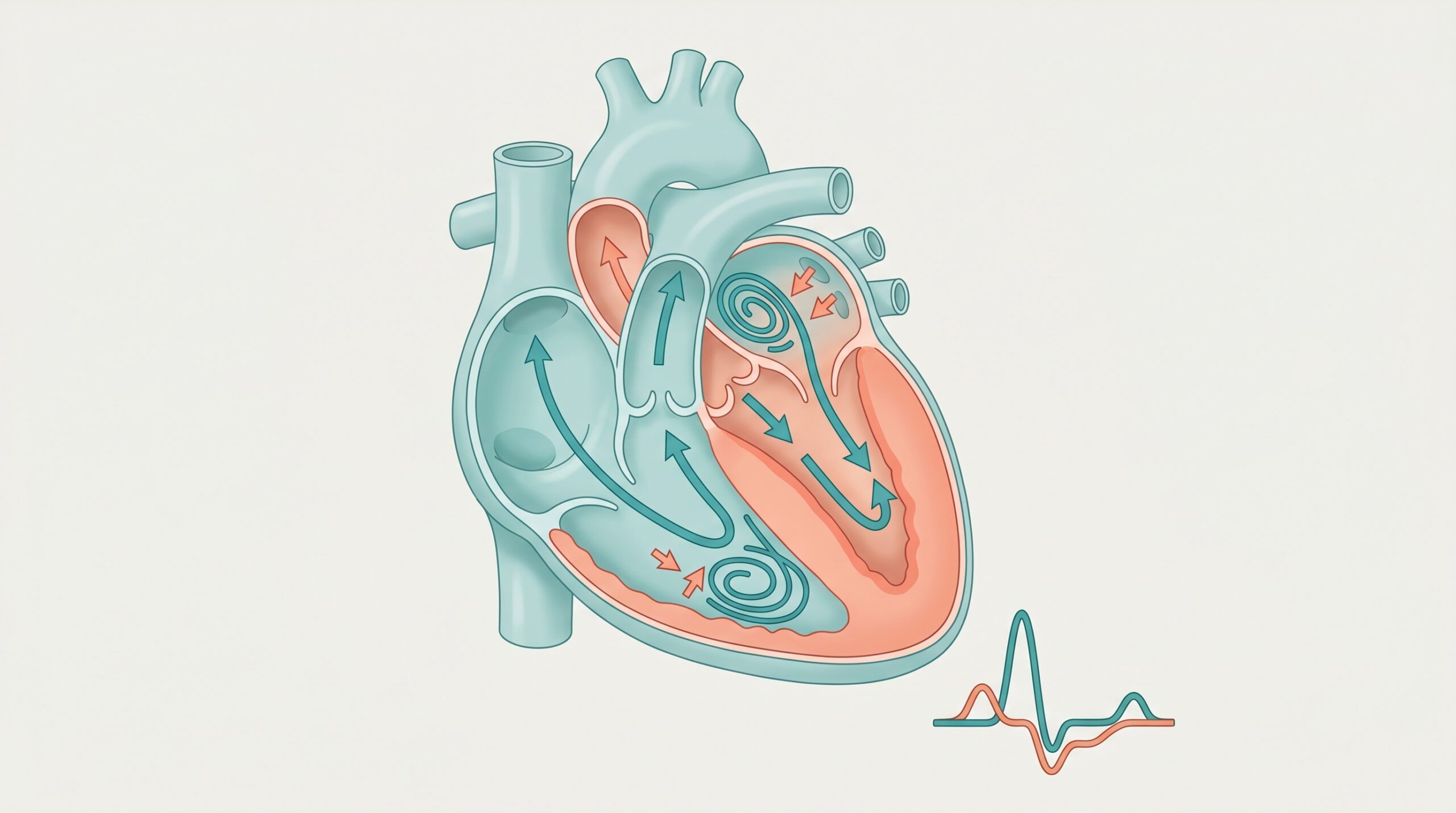
HFpEF Treatment in 2026: New Therapeutic Pillars
HFpEF finally has its own therapeutic pillars. A 2026 review of SGLT2 inhibitors, finerenone (FINEARTS-HF), GLP-1 RAs (STEP-HFpEF, SUMMIT), and emerging combination strategies for heart failure with preserved ejection fraction.
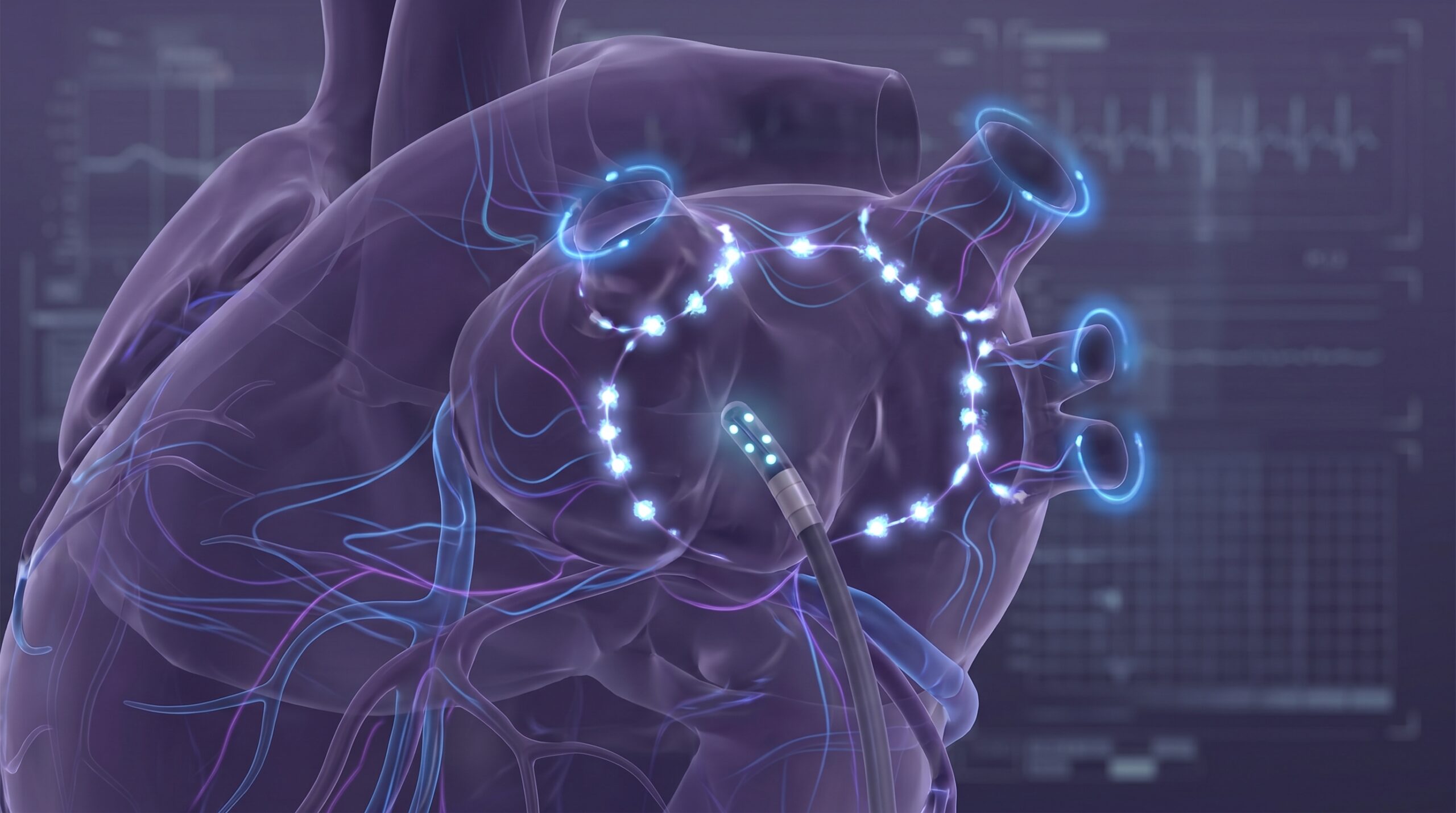
Early Rhythm Control in Atrial Fibrillation: 2026 Update
EAST-AFNET 4 transformed AF management by proving early rhythm control reduces cardiovascular events. A 2026 review of the evidence, pulsed field ablation, the 2024 ESC AF guidelines, and practical implementation.
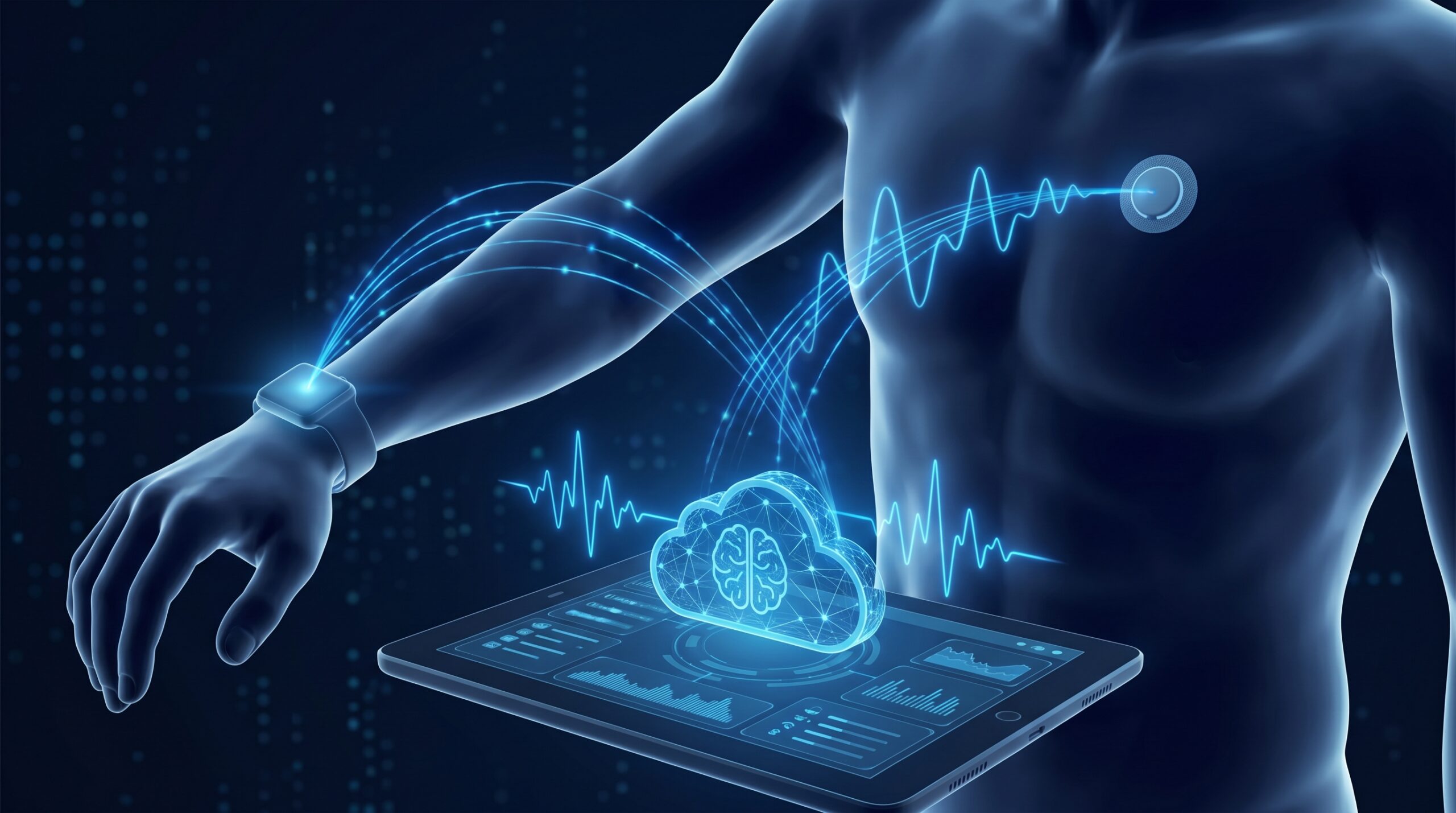
Remote Cardiac Monitoring and Wearables in 2026
Remote patient monitoring with wearables is transforming cardiology — from AF detection on smartwatches to AI-driven HF decompensation prediction. A 2026 review of evidence, devices, clinical applications, and implementation guidance.
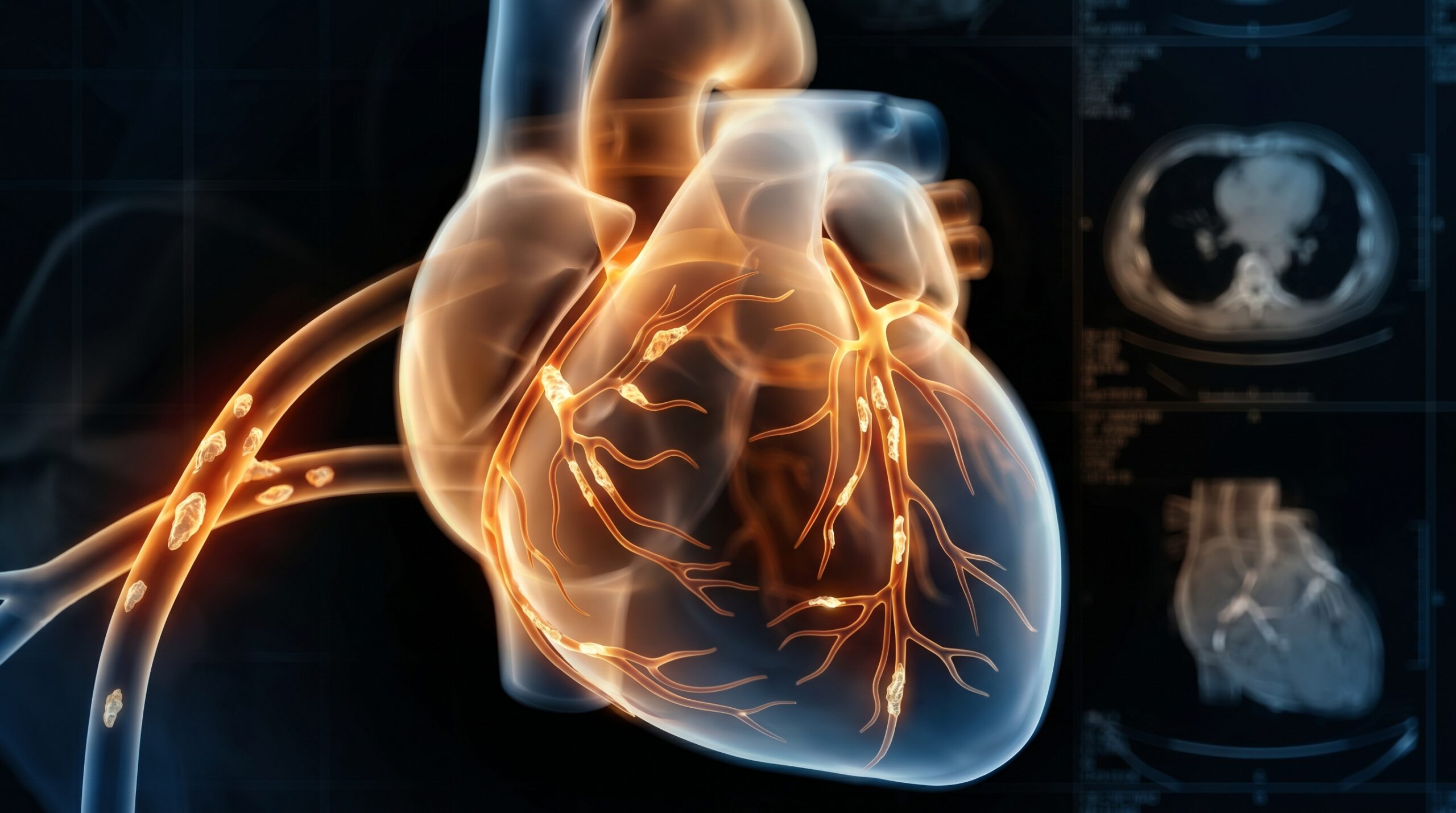
Coronary CT Angiography for Chest Pain: CT-First Strategy in 2026
SCOT-HEART 10-year data confirms coronary CT angiography reduces MI by 21% when used to guide stable chest pain management. A 2026 review of the CT-first strategy, AI plaque analysis, and guideline recommendations.
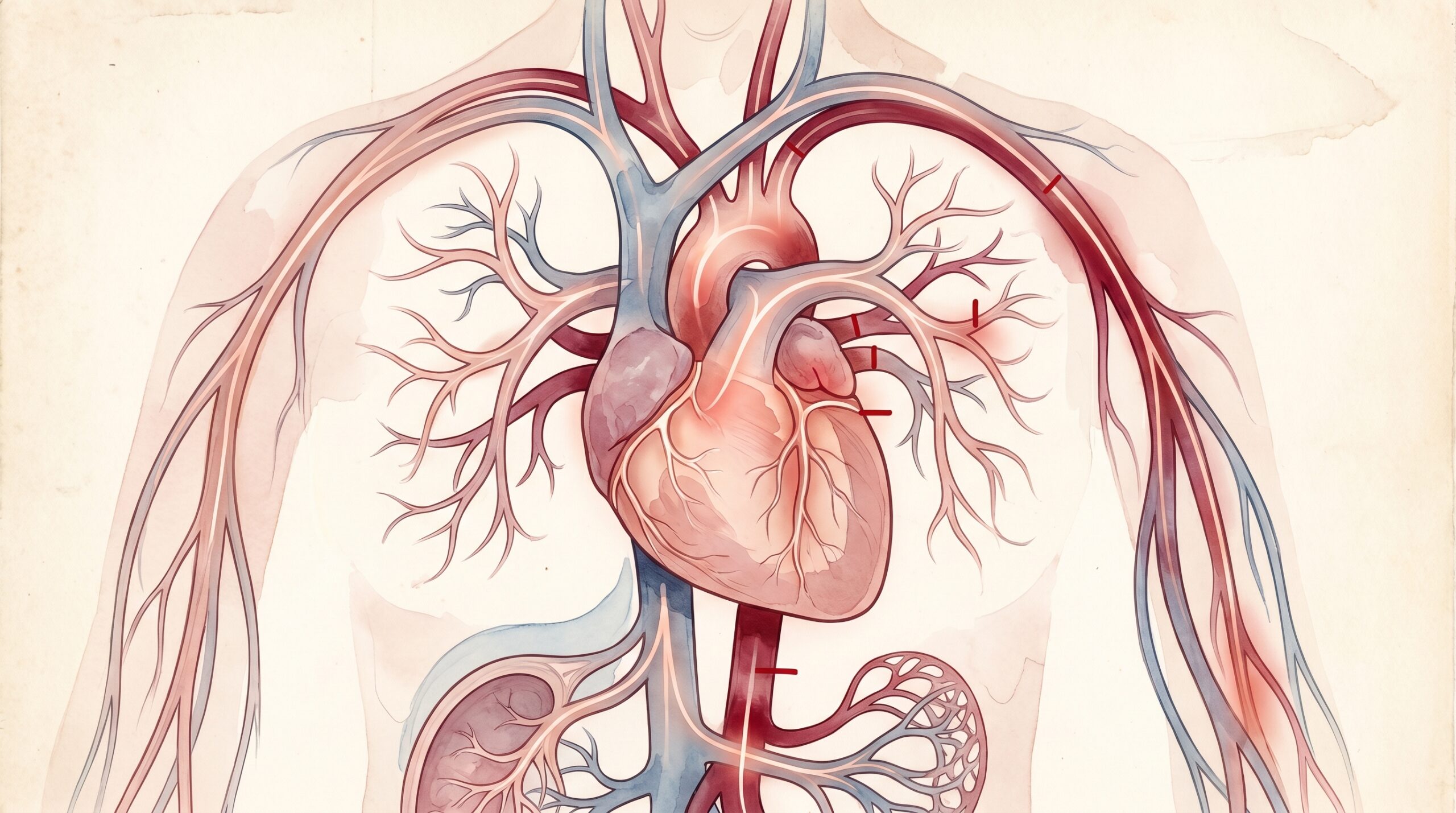
Cardiovascular Risk in Women After Pregnancy Complications
Pregnancy complications — preeclampsia, gestational diabetes, preterm delivery — are now recognized as major predictors of lifelong cardiovascular risk in women. A 2026 review of the evidence, AHA guidelines, and post-pregnancy surveillance strategies.
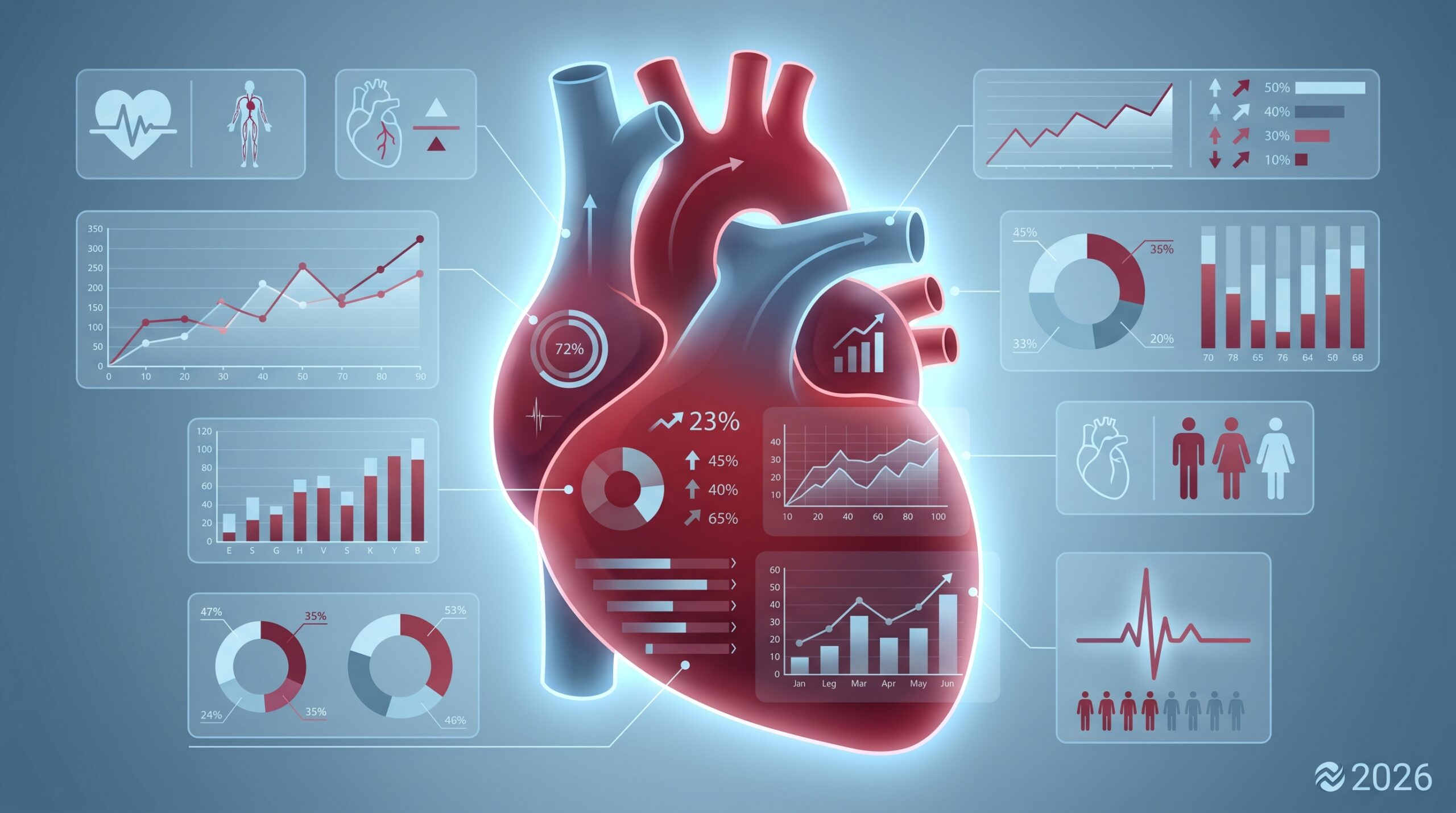
AHA 2026 Cardiovascular Statistics: Key Clinical Takeaways
The 2026 AHA Heart Disease and Stroke Statistics Update reveals 915,973 CV deaths in 2023, stroke as the 4th leading cause of death, and a new CKM syndrome chapter. Key takeaways for clinicians.
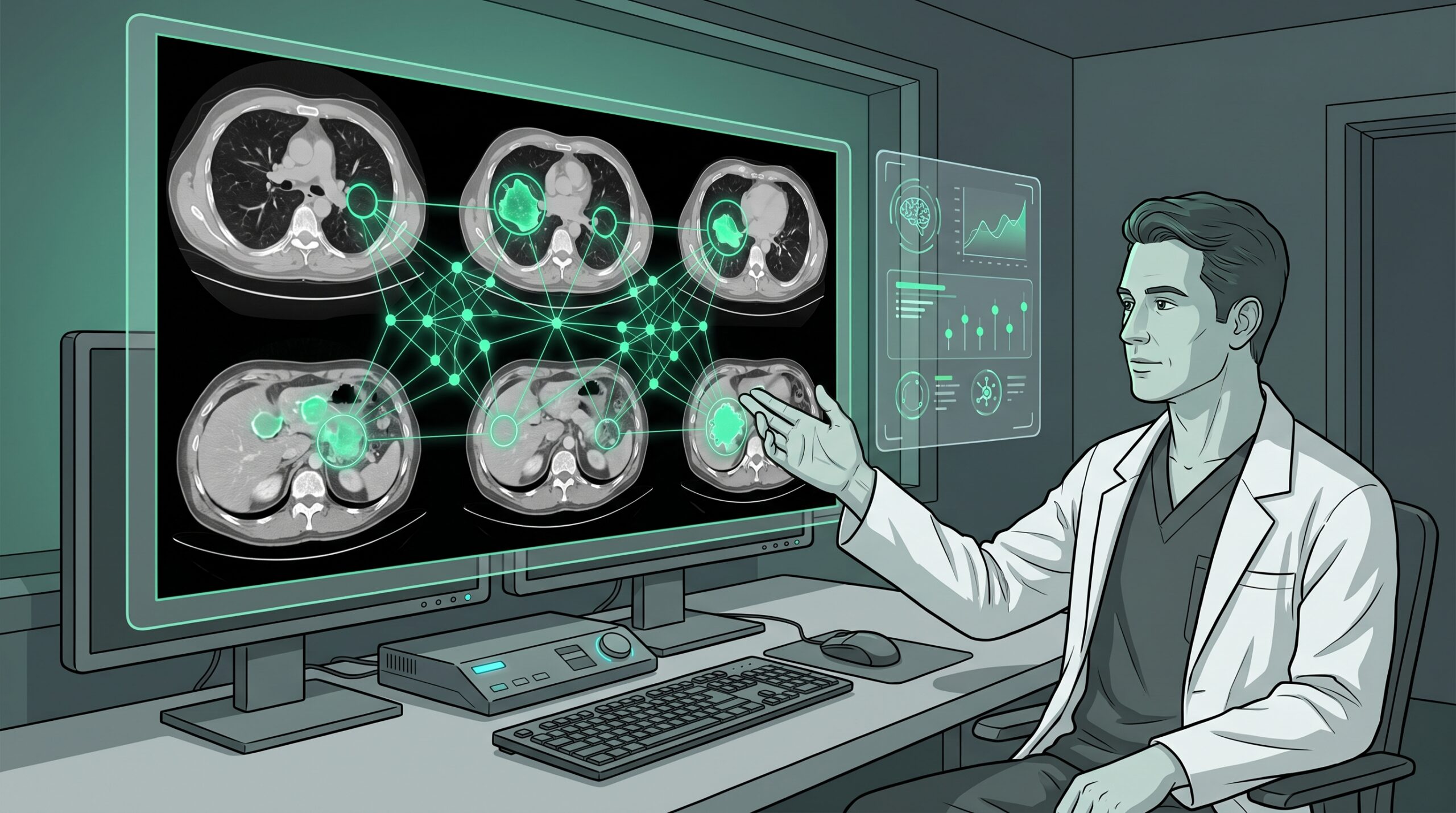
AI in Radiology Clinical Workflows in 2026
A comprehensive review of AI integration into radiology workflows in 2026: 1,100+ FDA-cleared algorithms, foundation models, workflow automation, and practical guidance for radiologists navigating the AI era.
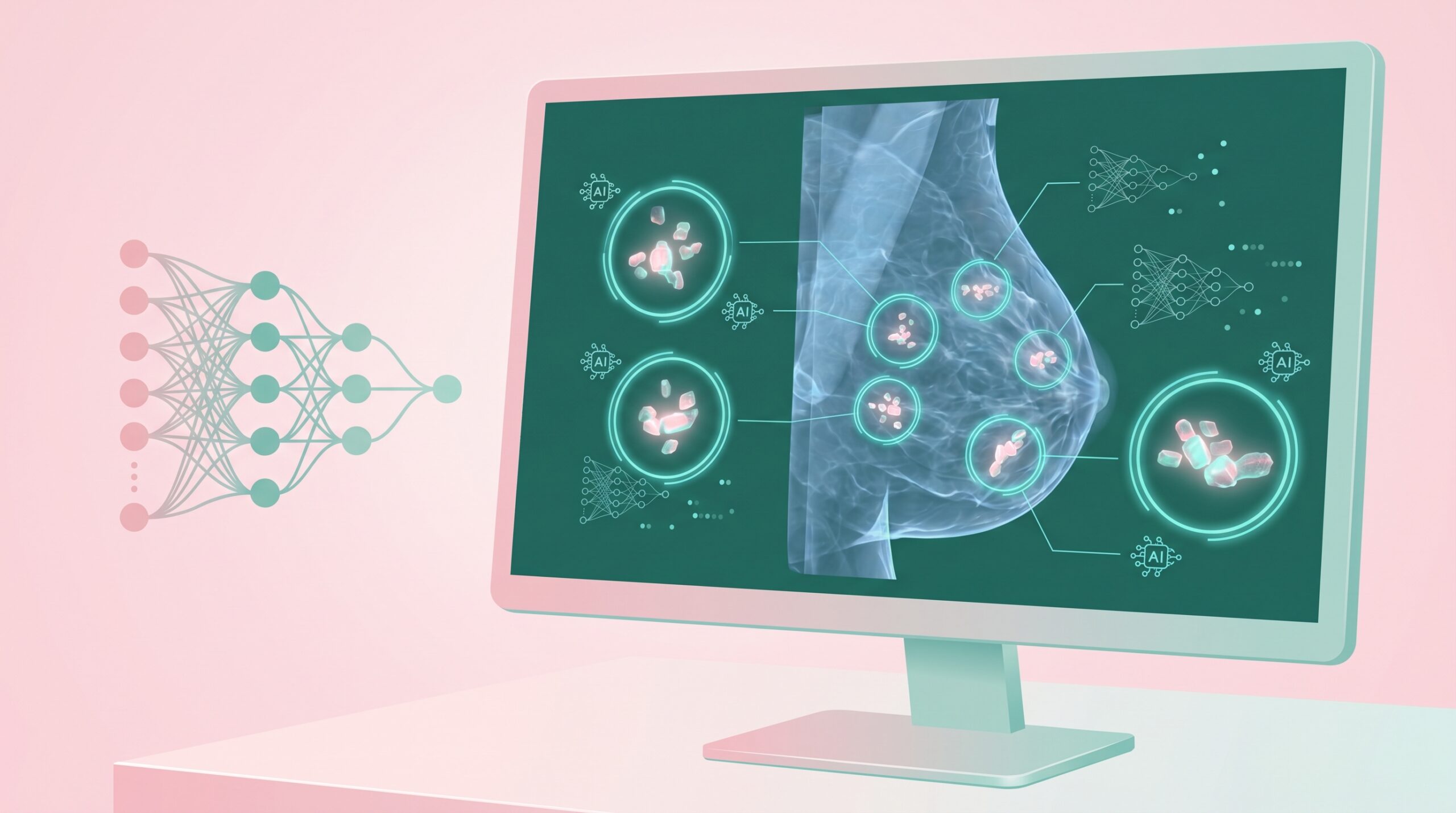
AI Mammography and Breast Cancer Screening in 2026
AI-powered mammography is transforming breast cancer screening — from MIT’s Mirai risk model to the MASAI trial showing 64% radiologist workload reduction with higher cancer detection. A 2026 clinical review.
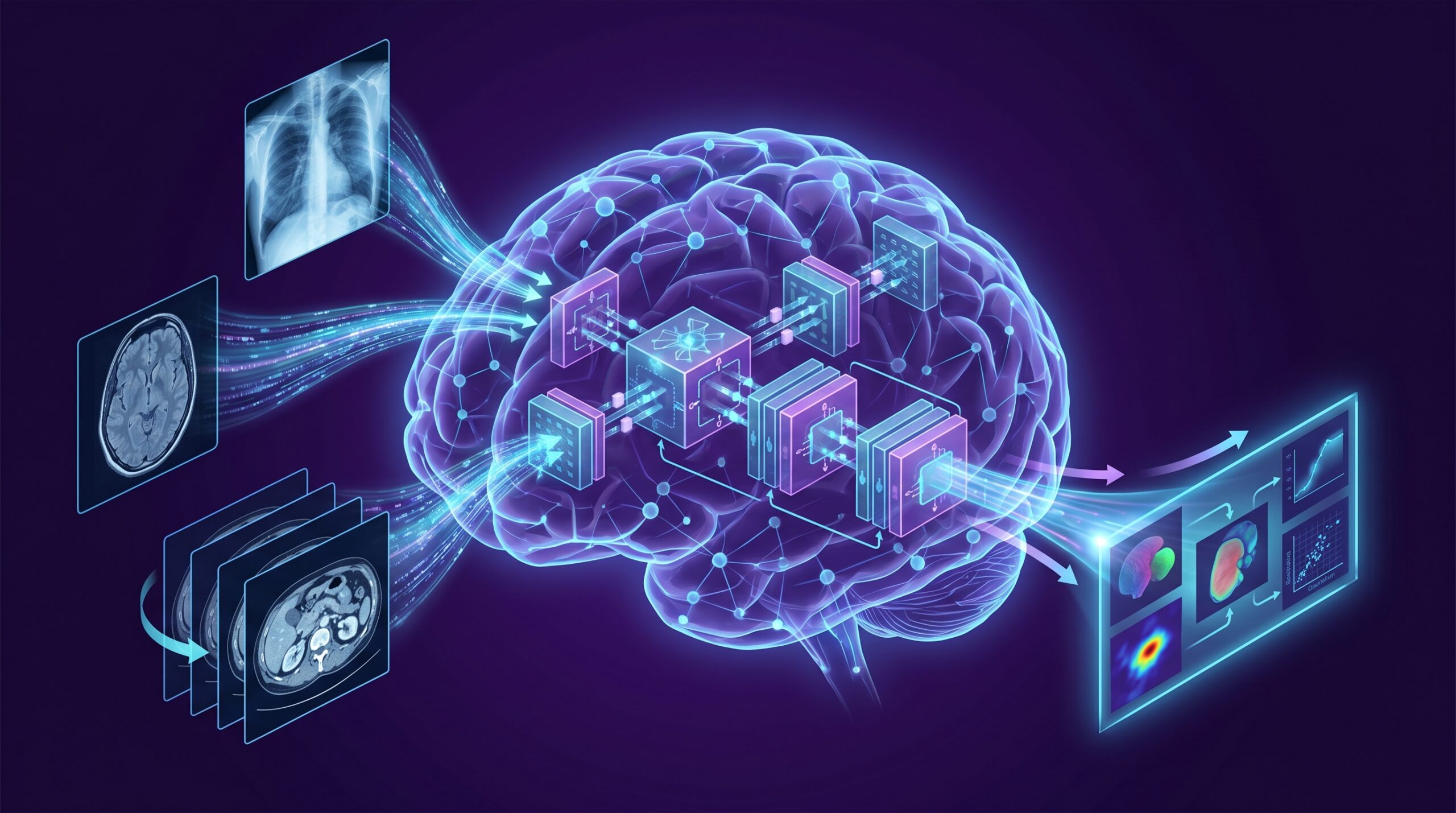
Foundation Models in Medical Imaging: What Radiologists Need to Know
Foundation models are reshaping radiology — from Aidoc’s FDA-cleared CARE1™ to MedSAM and BiomedCLIP. A 2026 review of what radiologists need to know about these adaptable, multi-task AI systems.
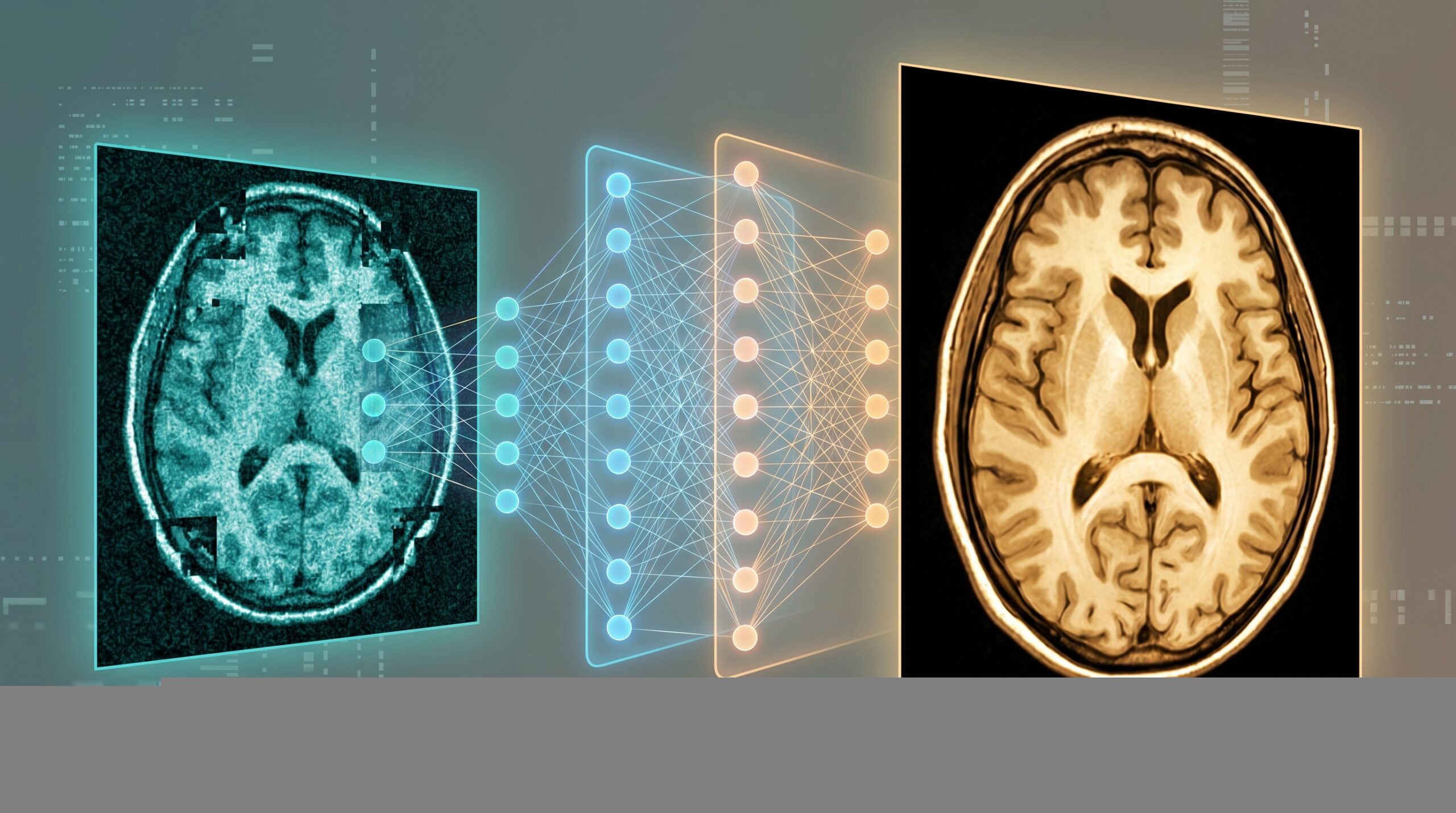
Deep Learning MRI Reconstruction in 2026
Deep learning-based MRI reconstruction can reduce scan times by 50-85% while maintaining or improving image quality. A 2026 review of vendor implementations, clinical evidence, and practical guidance for radiologists.
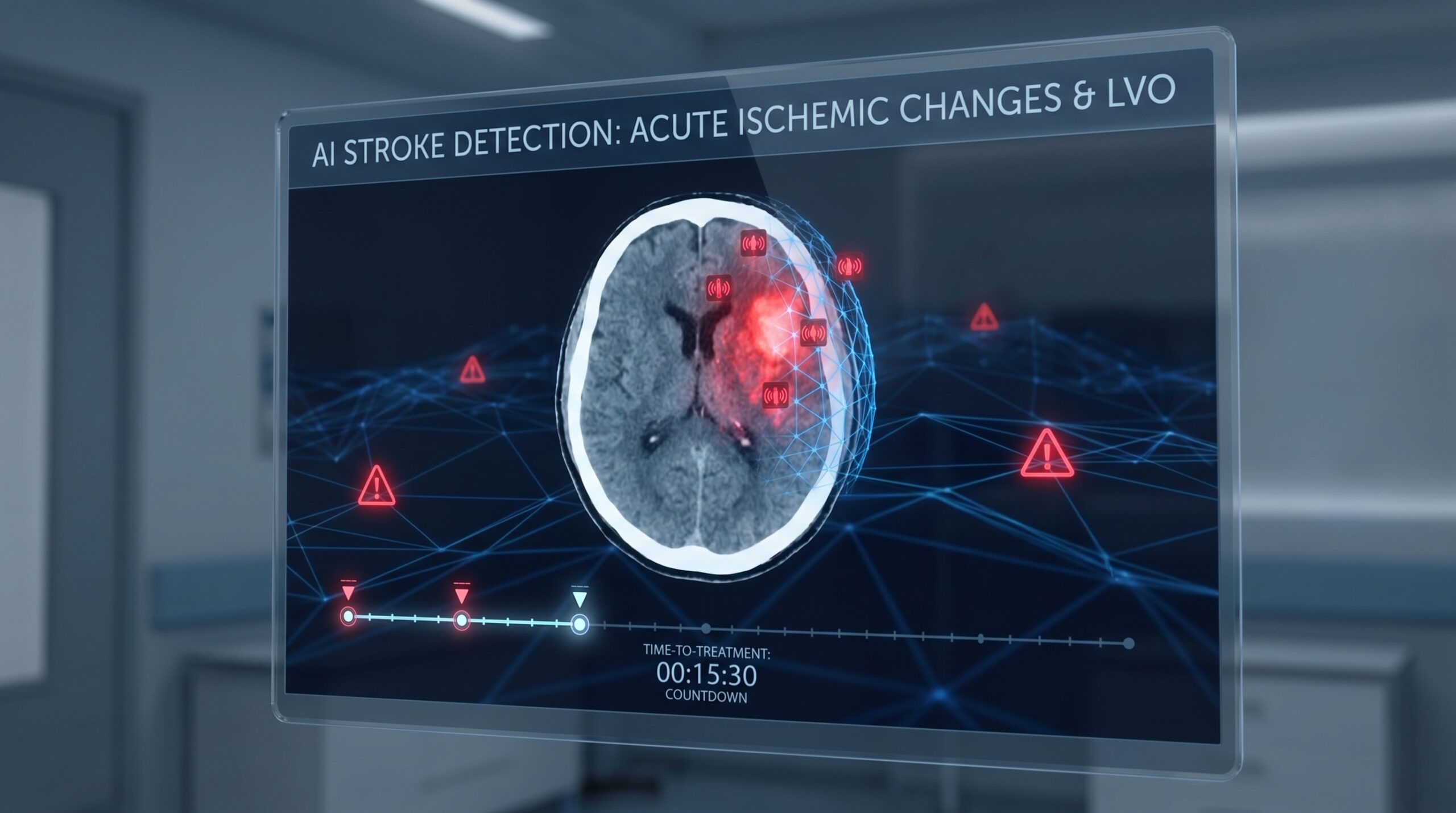
AI Stroke Detection and Acute Triage in 2026
AI-powered stroke detection platforms like Viz.ai and RapidAI reduce treatment delays by up to 31 minutes. Review the latest evidence on LVO detection, CT perfusion analysis, and clinical workflow integration for acute stroke triage.
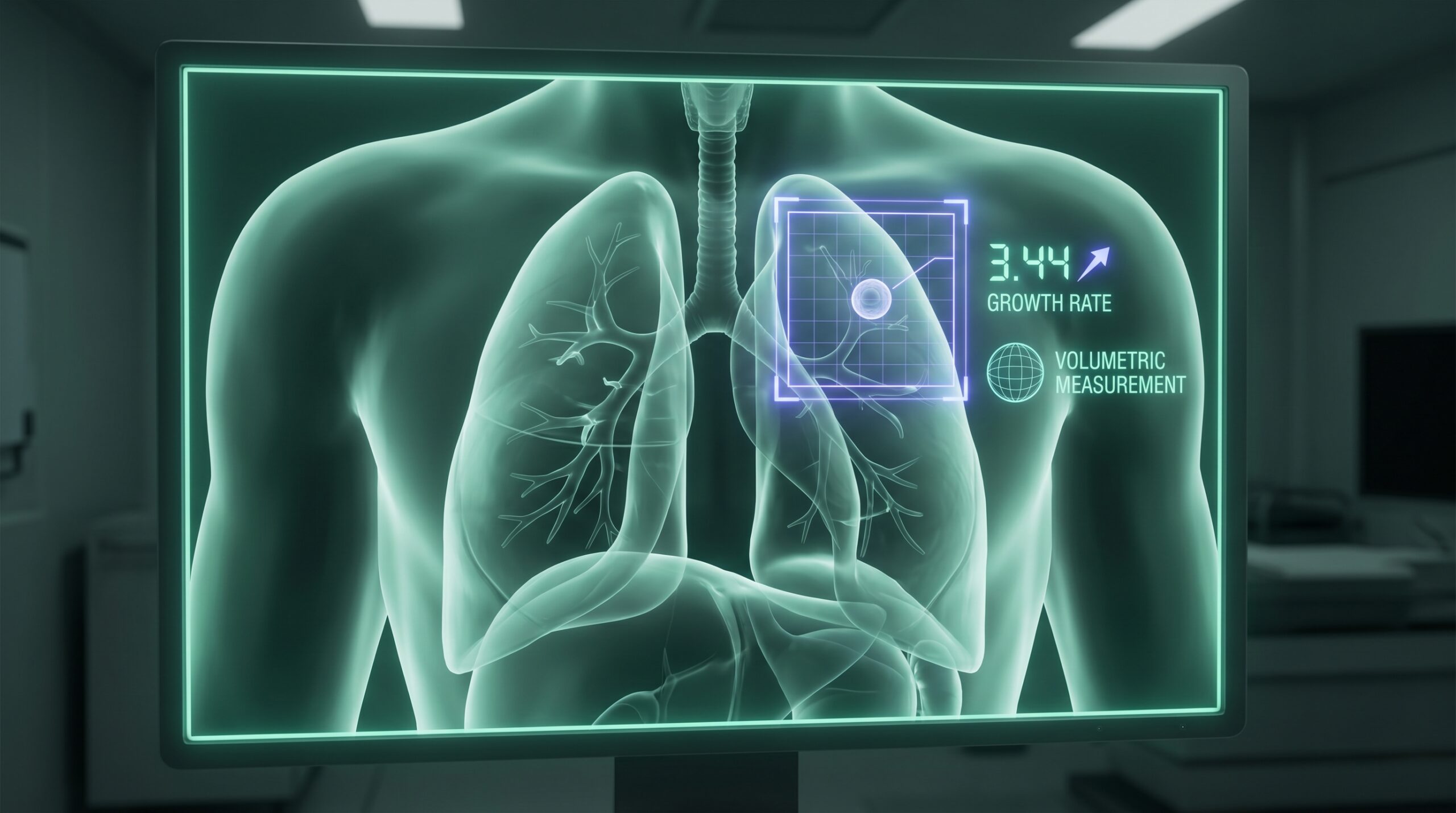
AI-Enhanced Low-Dose CT Lung Cancer Screening
AI-enhanced low-dose CT lung cancer screening improves nodule detection sensitivity to 86–98% while reducing false positives. Review the latest evidence on deep learning for malignancy risk prediction, Lung-RADS integration, and NLST/NELSON long-term outcomes.
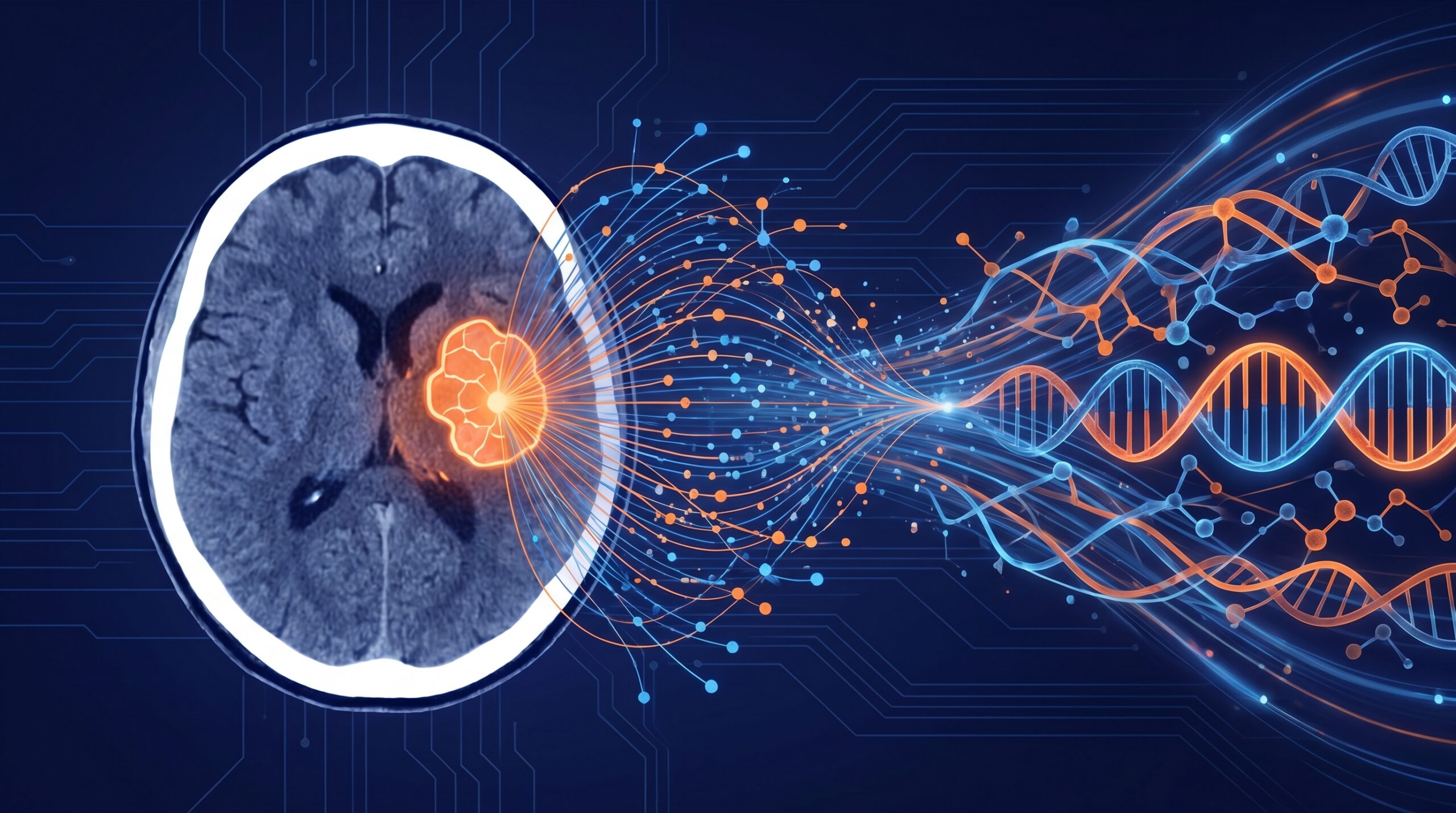
Radiomics and Radiogenomics in Medical Imaging
Radiomics and radiogenomics extract quantitative features from medical images to predict molecular markers and treatment response. Review the current evidence, IBSI standardization efforts, and clinical translation barriers in 2026.
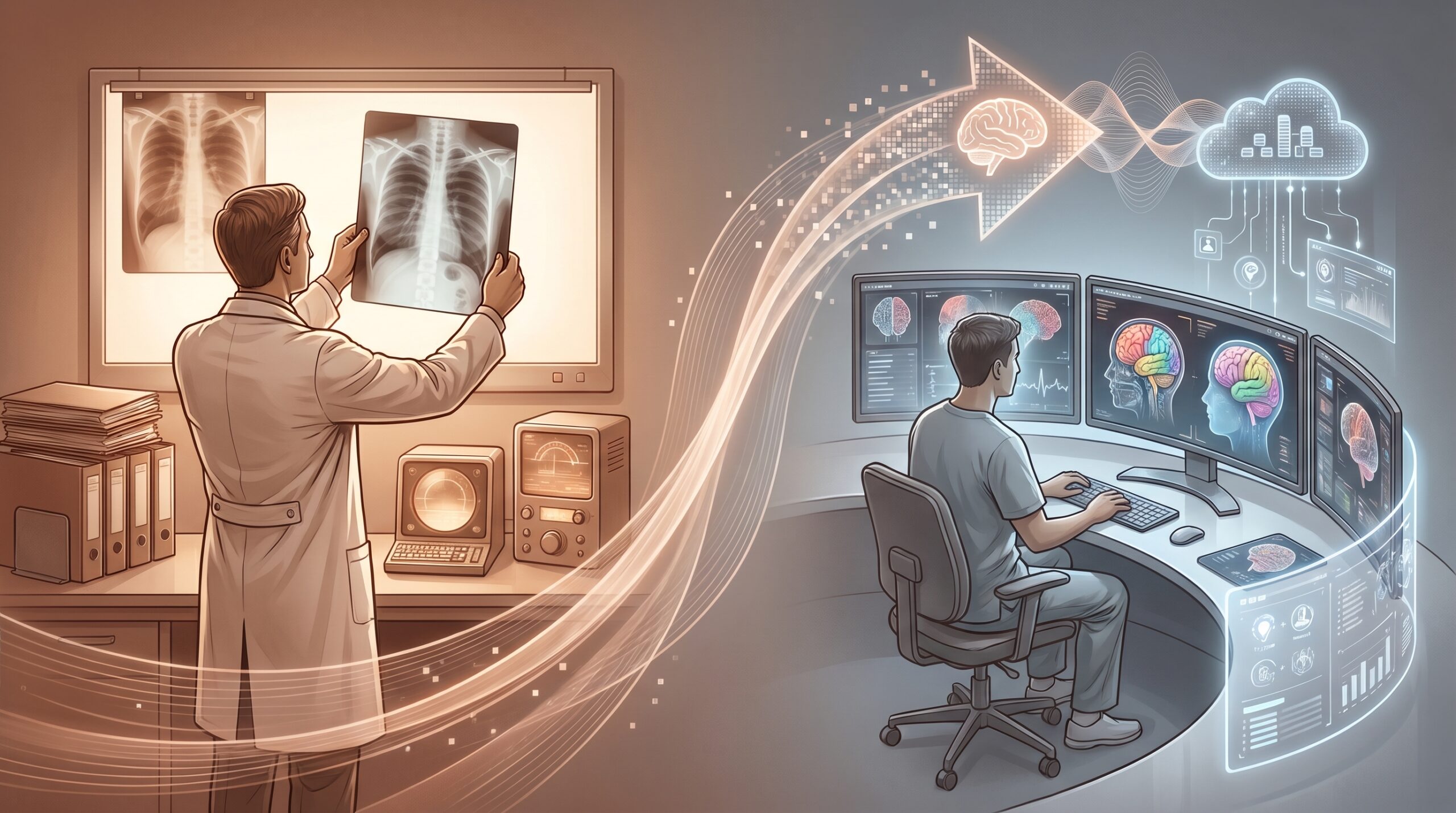
The Evolving Role of the Radiologist in the AI Era
Radiologists who embrace AI will thrive, not be replaced. Review the 2025-2026 consensus on augmentation, new competencies, workforce implications, and how residency training is evolving for the AI era.
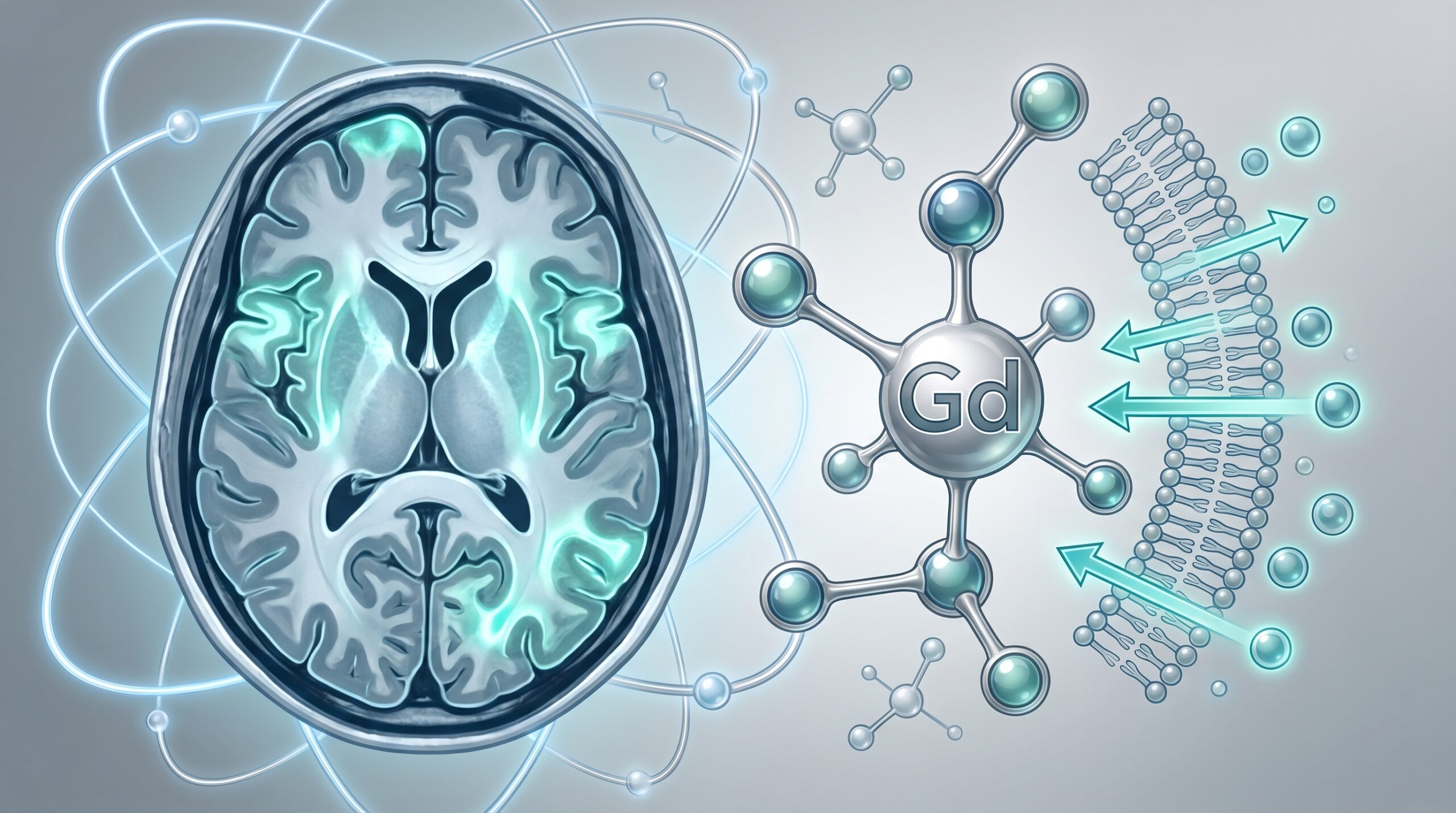
MRI Contrast Agent Safety and Gadolinium in 2026
Gadolinium-based MRI contrast agents remain essential but face evolving safety concerns. Review the 2025-2026 evidence on deposition, next-generation high-relaxivity agents like gadopiclenol, and deep learning-based virtual contrast techniques.
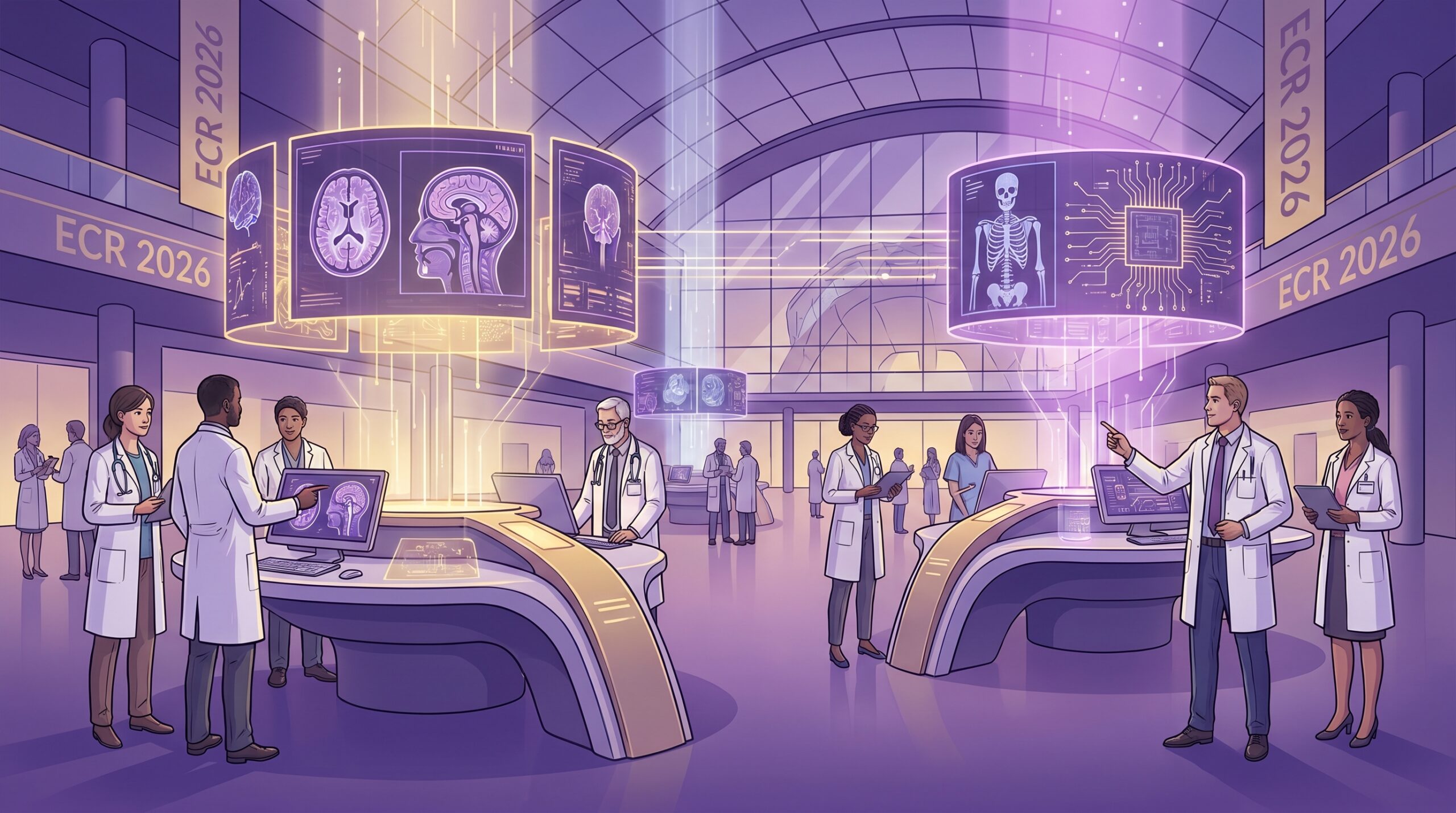
ECR 2026 and RSNA 2025: Radiology Highlights
ECR 2026 drew a record 22,418 attendees under “Rays of Knowledge” while RSNA 2025 focused on “Imaging the Individual.” Review the top research presentations, AI developments, industry announcements, and guideline updates from both major radiology meetings.
No articles found
Try adjusting your search terms or filters to find what you’re looking for.
Heart failure, TAVR, arrhythmia, hypertension, prevention.
Specialty HubRadiologyAI diagnostics, MRI reconstruction, CT screening, radiomics.
Clinical AI pathways across imaging and diagnostics.
Topic HubHeart FailureHFpEF, monitoring, outcomes, guideline updates.
Topic HubTAVR & Structural HeartLow-risk TAVR durability and intervention strategy.
Topic HubCT / MRI ImagingCCTA, MRI safety, reconstruction, imaging workflows.
Library FAQ
Direct paths for clinicians who want to find the right article cluster fast.
How is the MedTrainHub library organized?
The library is organized as an article hub with specialty pathways for Cardiology and Radiology plus topic hubs for AI in medicine, heart failure, TAVR, and CT/MRI imaging.
Are the articles citation-based?
Yes. Each review is written for clinicians and includes reference counts with links to full article pages for source review.
Where should I start if I only follow one specialty?
Use the specialty hubs first. Cardiology and Radiology hub pages group the most relevant articles and topic pathways for faster navigation.
Stay Current with Clinical Research
Subscribe to receive new articles and research updates in cardiology and radiology delivered to your inbox weekly.